Why Your Dog Won’t Eat Certain Foods—and What To Do
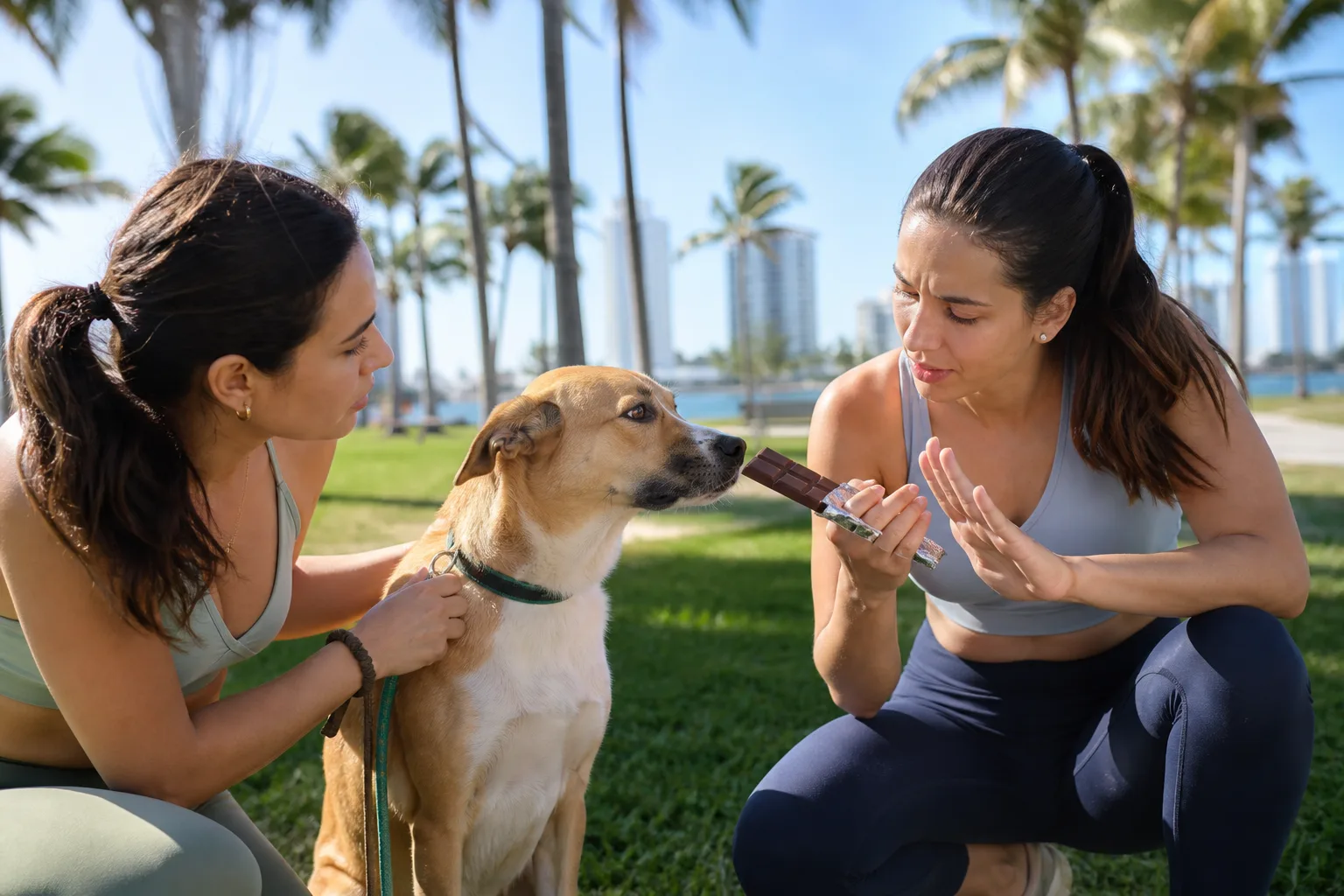
If your dog seems to have one food they will never touch, the answer is not always “picky eater.” Sometimes the issue is smell, texture, pain, nausea, or a learned habit that took hold over time. This guide explains what that refusal can mean, what to try first, and when 1st Ave Animal Hospital would want to take a closer look.
Why would a dog refuse only certain foods?
A dog that rejects one food but eats another is usually reacting to something specific, not refusing all meals. The trigger may be the shape, smell, temperature, ingredient mix, or a problem in the mouth or digestive tract that makes one food easier than another to tolerate.
That pattern matters. A dog who turns away from dry kibble but eats soft food, for example, may have dental pain. A dog who likes treats but skips dinner may be dealing with nausea, stress, or a routine problem that has become a habit.
Common reasons dogs reject a specific food
- Texture: Some dogs hate crunchy kibble, mushy canned food, or sticky toppers.
- Smell: A food can smell “off” to a dog even when it seems fine to people.
- Temperature: Cold food straight from the fridge can be less appealing.
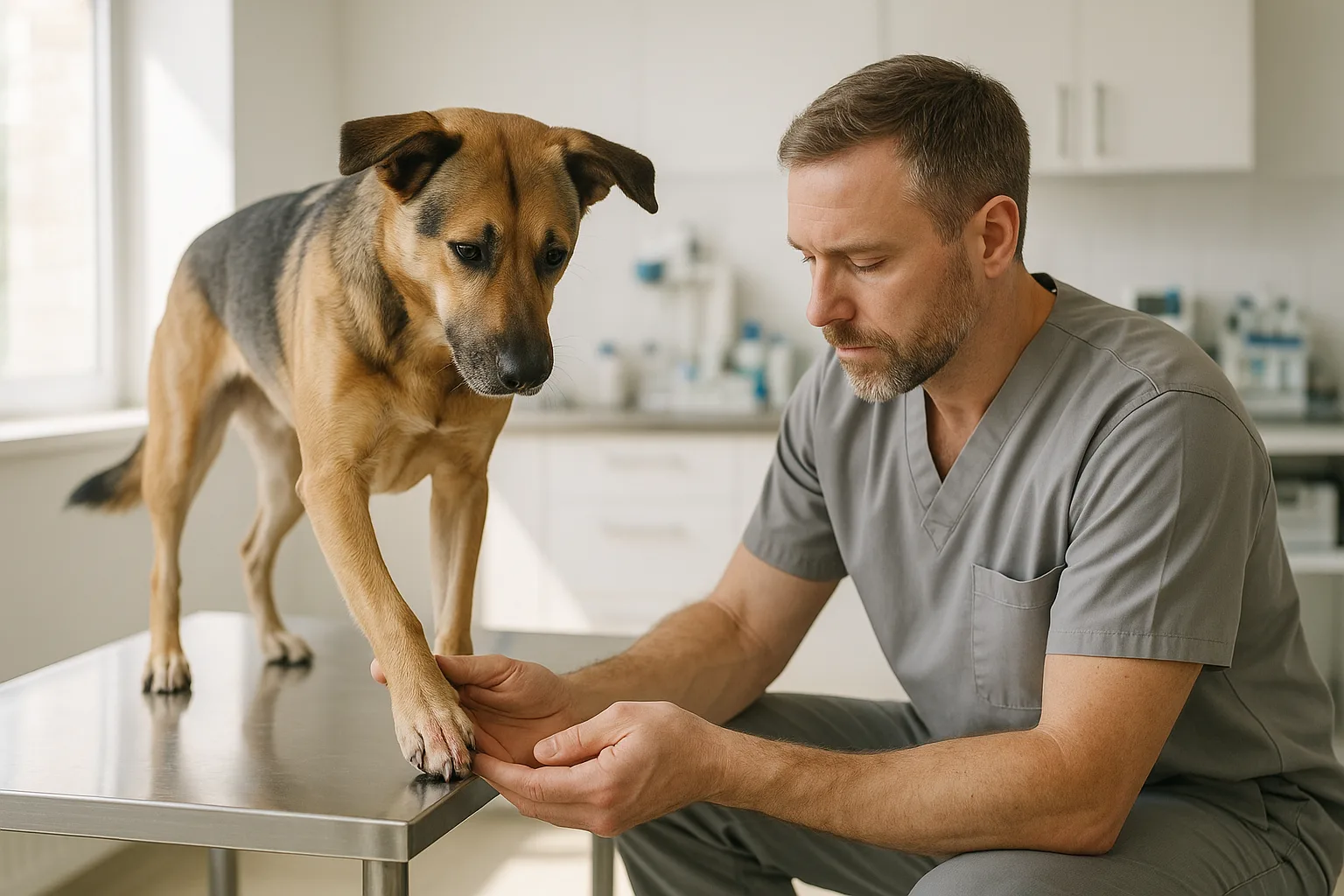
- Oral discomfort: Broken teeth, sore gums, and mouth ulcers can make chewing unpleasant.
- Digestive upset: Dogs often avoid foods they’ve learned are linked with nausea.
- Routine and habit: If a dog gets hand-fed, table scraps, or frequent substitutions, refusal can become a game of negotiation.
How do you tell picky eating from a real health problem?
Picky eating usually looks selective and predictable: the dog eats some foods, acts normal, and keeps a steady weight. A health problem is more likely when the refusal is new, the dog eats less overall, or other changes show up at the same time.
Watch the pattern, not just the bowl. A dog with dental pain may drop food, chew on one side, or sniff and walk away. A dog with stomach trouble may lick lips, swallow repeatedly, or refuse a meal after eating grass, trash, or something greasy.
Signs the problem may be medical
- Bad breath that’s stronger than usual
- Dropping food or chewing oddly
- Weight loss
- Vomiting or diarrhea
- Drinking more or less than usual
- Low energy, hiding, or a dull coat
- Refusing treats along with meals
What should you do first at home?
Start with small, practical changes before assuming the food itself is the problem. Check freshness, make the meal more appealing, and stop accidental reward patterns that teach the dog to wait for something better. If your dog otherwise seems well, a few simple adjustments often tell you a lot.
One good rule: try one change at a time. If you switch food, warm it, add a topper, and offer table scraps all at once, you’ll never know what actually helped.
A simple step-by-step approach
- Check the food. Look for an old bag, strange odor, moisture, or expired cans.
- Offer a quiet meal. Feed in a calm spot away from noise, other pets, and foot traffic.
- Warm wet food slightly. A few seconds can improve aroma. Don’t make it hot.
- Soften dry kibble. A little warm water can help dogs with sore mouths.
- Feed on schedule. Put the bowl down for 15 to 20 minutes, then pick it up.
- Stop free extras. No table scraps, mystery treats, or constant nibbling between meals.
What not to do
- Do not keep changing foods every day.
- Do not add rich toppings that upset the stomach.
- Do not force-feed unless a veterinarian has told you to.
- Do not assume a dog will “eat when hungry” if illness is possible.
When is food refusal an emergency?
Food refusal becomes urgent when it comes with repeated vomiting, obvious pain, collapse, trouble breathing, or a swollen belly. A dog that will not eat and also cannot keep water down needs prompt veterinary attention. Puppies, toy breeds, diabetic dogs, and senior dogs deserve faster care because they can decompensate sooner.
Single-meal skip is often not an emergency. But a dog who refuses several meals in a row, especially with other symptoms, should be examined rather than watched for too long.
Call a veterinarian sooner if you notice
- Refusal lasting more than 24 hours in an adult dog
- Refusal lasting more than 12 hours in a puppy or small breed dog
- Blood in vomit or stool
- Facial swelling, drooling, or pawing at the mouth
- Sudden weight loss
- Known exposure to a toxin, spoiled food, or a foreign object
Could the problem be teeth, stomach, or something else?
Yes. The mouth and the gut are the first places many vets look. Dental disease can make chewing painful, while nausea, pancreatitis, intestinal blockage, and other internal problems can make food smell or feel unappealing. If the refusal is stubborn and repeated, a physical exam is the right next move.
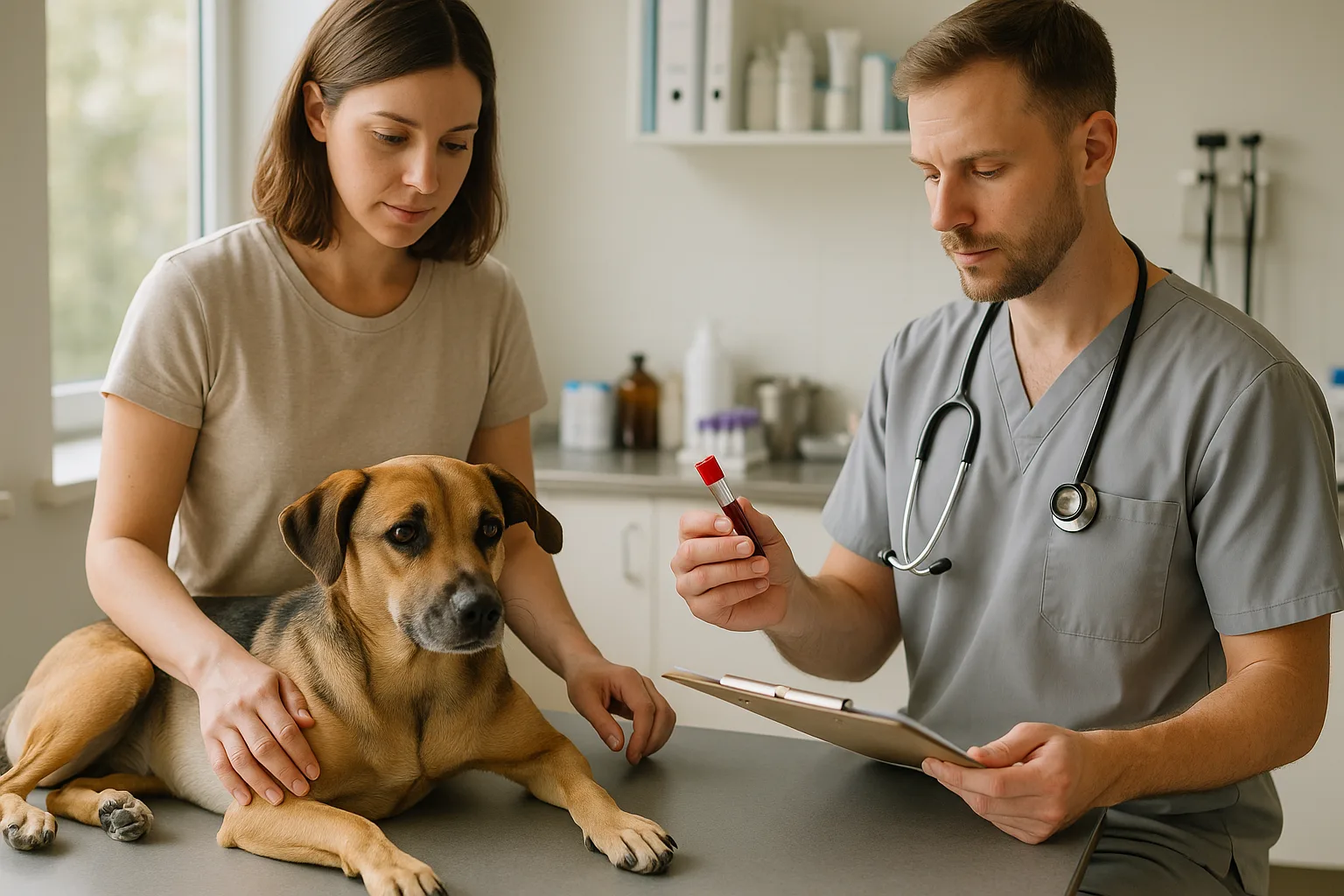
At 1st Ave Animal Hospital, that exam may lead to oral checks, bloodwork, or imaging if the history points that way. If the concern is dental, our veterinary dental care services can help identify pain that owners often miss at home.
How can you make a dog more willing to eat?
Make the meal easier to smell, easier to chew, and harder to ignore. Many dogs respond well to a calmer setup and a more predictable routine. The goal is not to create a food court of endless options; the goal is to find a steady, healthy meal your dog will actually eat.
Helpful ideas that are usually safe
- Try a shallow, clean bowl if the dog dislikes deep bowls.
- Offer smaller portions more often for a short period.
- Use a veterinarian-approved topper if your dog needs encouragement.
- Ask whether a different protein or texture is a better fit.
- Keep mealtimes consistent so the dog knows what to expect.
Veterinary rule of thumb: A dog that is selective but bright, active, and maintaining weight is different from a dog that is refusing food because something hurts or feels wrong. The second group should not be left to “wait it out.”
What if your dog only eats treats or human food?
That pattern usually means the dog has learned to hold out for the better prize. Rich snacks can outcompete regular meals fast. Once that happens, the fix is usually behavioral, not culinary: fewer extras, firmer mealtimes, and a food plan that removes the backup options.
This is where owners often get stuck. The dog looks determined, but the real issue is that the dog has discovered the rules can be bent. Dogs are sharp like that.
Which foods are safest to try during a short appetite dip?
A bland, temporary diet can help some dogs after stomach upset, but it should not become the default answer for ongoing refusal. Boiled chicken and plain white rice are common short-term options, yet they are not nutritionally complete for long-term feeding. If a dog needs more than a brief reset, ask your veterinarian what fits the medical picture.
If your dog’s appetite problem is part of a broader illness, the right fix depends on the cause. That’s why a one-size-fits-all food swap often disappoints. The food is the symptom, not always the root.
Frequently Asked Questions
Why does my dog eat treats but not dinner?
Treat refusal at mealtime is often a learned habit, but it can also happen with nausea, dental pain, or digestive upset. If a dog refuses regular meals yet eagerly takes treats, the pattern may point to pickiness or to food that is harder to chew or less appealing. A new change deserves a vet check.
Should I switch dog food right away if my dog won’t eat one brand?
Not always. A sudden switch can muddy the picture and upset the stomach further. First check freshness, feeding routine, bowl type, and whether the dog seems sick or painful. If the refusal keeps happening, your veterinarian can help choose a food that matches your dog’s needs.
How long can a healthy adult dog go without eating?
Many adult dogs can miss one meal without trouble, but a refusal that lasts more than 24 hours should be taken seriously. Puppies, senior dogs, and dogs with medical conditions need faster attention. Water intake matters too; not drinking is a bigger concern than skipping one meal.
Can dental disease make a dog refuse hard food only?
Yes. Dental pain often shows up as refusal of kibble, biscuits, or chews while softer food still gets eaten. Dogs may drop food, chew on one side, or act interested and then walk away. A mouth exam is worth doing if the pattern is new or persistent.
When should I call 1st Ave Animal Hospital?
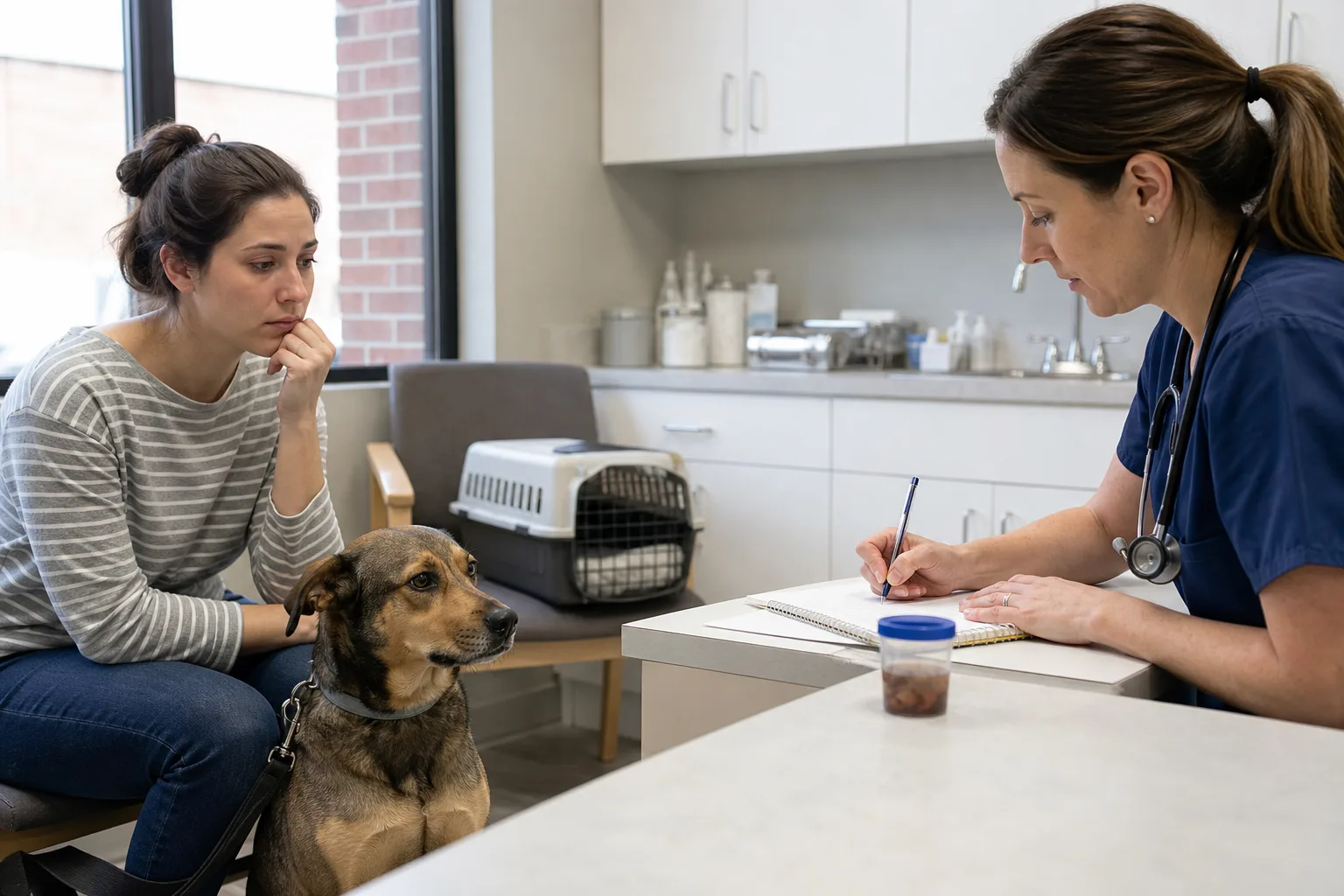
Call if the refusal is new, lasts more than a day, comes with vomiting, diarrhea, weight loss, or pain, or happens in a puppy, senior dog, or dog with a chronic condition. The team at 1st Ave Animal Hospital can sort out whether the issue looks dental, digestive, or behavioral and guide the next step.