What to Do If Your Pet Is Vomiting or Has Diarrhea
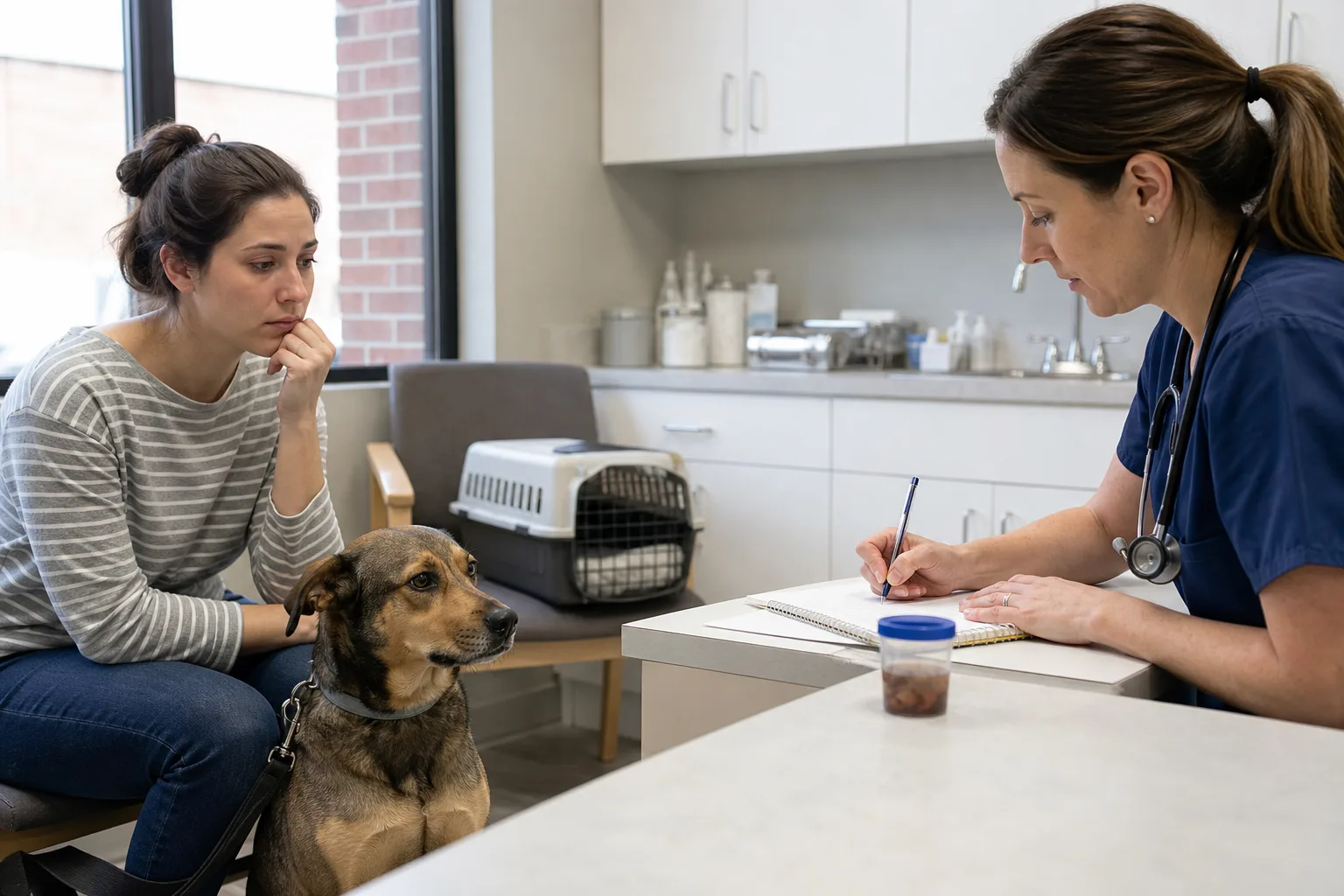
Pet vomiting and diarrhea can be caused by something minor, like eating too fast, or something more serious, like toxins, infections, or a blocked intestine. This guide explains what you can safely do at home, what to avoid, and which symptoms mean it is time to contact 1st Ave Animal Hospital.
If you want a broader look at next steps and preventive care, you can also review pet health topics from 1st Ave Animal Hospital.
What does vomiting and diarrhea in pets usually mean?
Vomiting and diarrhea are signs of irritation or disease somewhere in the digestive system. A single episode may pass quickly, but repeated episodes, blood, lethargy, or pain can point to dehydration, infection, pancreatitis, parasites, toxin exposure, or an intestinal obstruction.
Dogs and cats can both develop stomach upset for many reasons, and the cause matters more than the symptom itself. The safest approach is to watch the full pattern: how often it is happening, whether your pet can keep water down, and whether your pet is acting normal between episodes.
Common causes of pet vomiting and diarrhea
- Dietary indiscretion, such as garbage, table scraps, or a sudden food change
- Intestinal parasites
- Viral or bacterial infection
- Food intolerance or allergy
- Motion sickness or stress
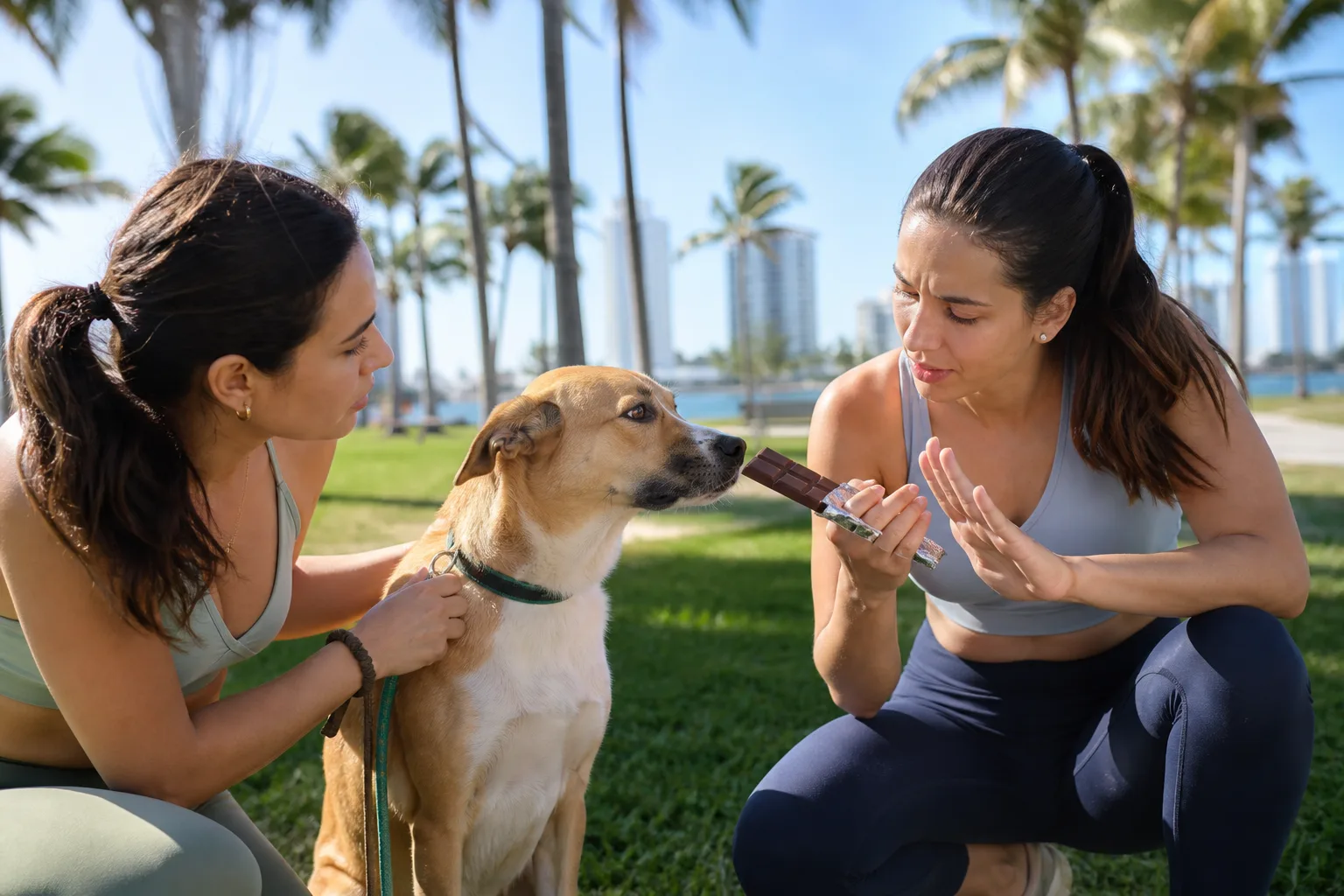
- Toxins, plants, medications, or human foods that are unsafe for pets
- Pancreatitis
- Foreign body ingestion or intestinal blockage
- Kidney, liver, or endocrine disease
What should you do first at home?
For a bright, alert adult pet with a mild, single episode, the first step is usually to pause food briefly, offer small amounts of water, and monitor closely. Do not give human medicines, and do not force food if vomiting is still active.
Home care should stay simple. The goal is to prevent dehydration and gather useful details so your veterinarian can triage the problem accurately if the symptoms continue.
Safe first steps
- Remove food for a short period only if your veterinarian has previously said this is safe for your pet.
- Offer small sips of fresh water instead of a full bowl all at once.
- Keep your pet quiet and indoors.
- Write down when the vomiting or diarrhea started and how many times it has happened.
- Save a stool sample if possible, especially if diarrhea is ongoing.
Important: Do not give Pepto-Bismol, ibuprofen, acetaminophen, loperamide, or any other human medication unless a veterinarian has specifically instructed you to do so. Some common human drugs can be dangerous for pets.
When is pet vomiting and diarrhea an emergency?
Pet vomiting and diarrhea need urgent veterinary attention when the pet seems weak, painful, dehydrated, or unable to keep water down. Blood, repeated vomiting, a swollen abdomen, or a suspected toxin exposure also raise the urgency immediately.
Young puppies, kittens, senior pets, and pets with diabetes or other chronic disease can decline quickly. If you are unsure, it is better to call sooner rather than wait overnight.
Call a veterinarian right away if you notice:
- Repeated vomiting or diarrhea over several hours
- Blood in vomit or stool, including black, tarry stool
- Severe lethargy, collapse, or weakness
- Abdominal pain, a hard belly, or a bloated abdomen
- Refusal to drink or inability to keep water down
- Known or suspected toxin ingestion
- A puppy, kitten, or very small pet with diarrhea or vomiting
- A pet with diabetes, kidney disease, or another serious medical condition
What will the veterinarian want to know?
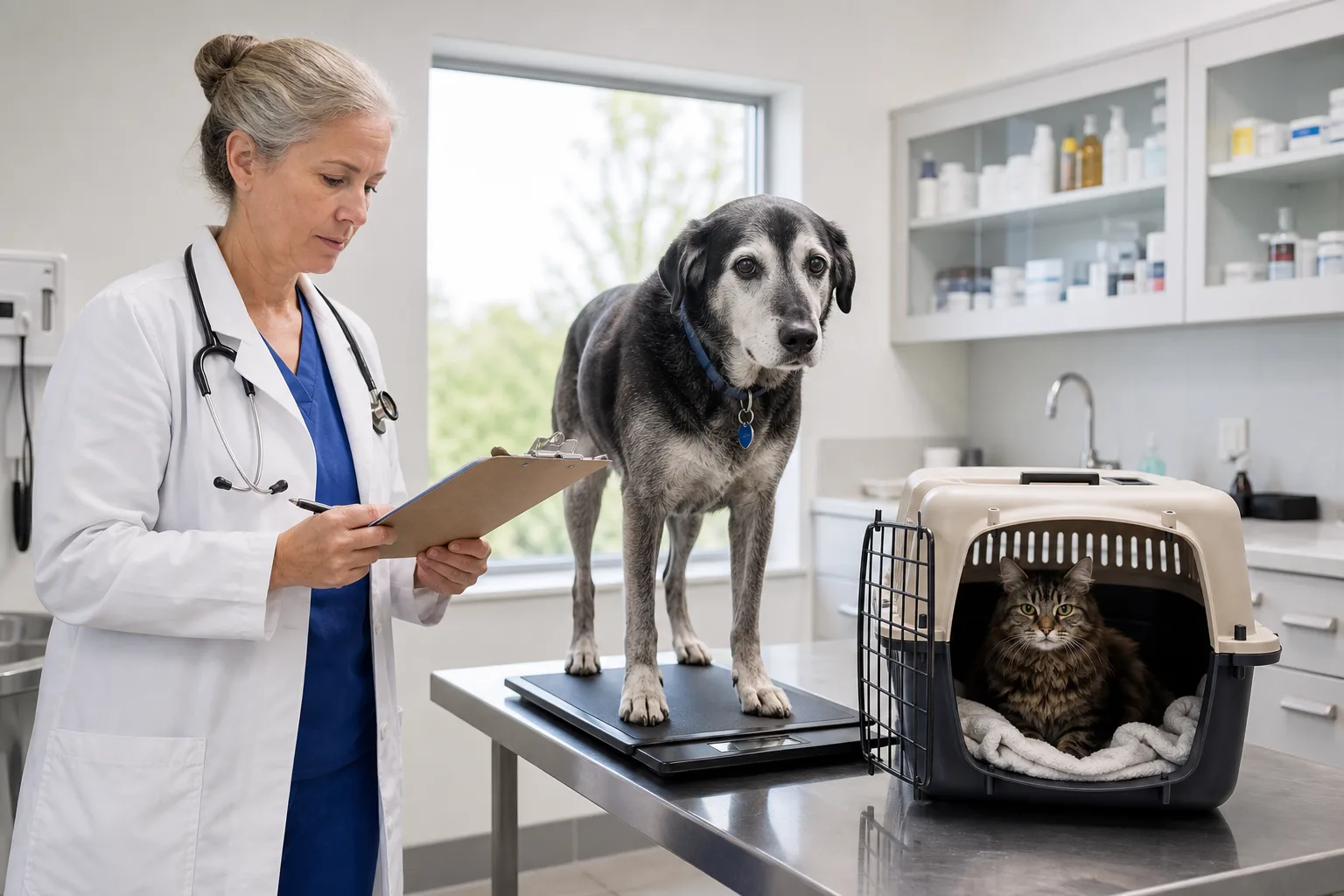
A veterinarian can often narrow the cause quickly with a good history, an exam, and sometimes diagnostic testing. The most helpful details are often the simplest ones: what your pet ate, how long the signs have been going on, and whether the vomiting, diarrhea, or both started first.
At 1st Ave Animal Hospital, giving a clear timeline helps the team decide whether your pet needs an exam, stool testing, X-rays, bloodwork, or fluids. That information can save time and help avoid unnecessary delays.
Bring these details to the appointment
- How many times your pet vomited or had diarrhea
- What the vomit or stool looked like
- Any recent diet changes or scavenging
- Medications or supplements your pet takes
- Possible access to trash, bones, toys, string, plants, or chemicals
- Whether other pets at home are also sick
What treatment might be recommended?
Treatment depends on the cause. Mild stomach upset may improve with diet guidance and rest, while dehydration, infections, parasites, pain, or obstruction may require medication, fluids, or hospital care.
If your veterinarian suspects a more complex cause, advanced diagnostics may be needed. For example, imaging can help identify a foreign body or other internal problem, and bloodwork can reveal dehydration or organ involvement.
Common treatments include
- Fluid therapy for dehydration
- Anti-nausea medication
- Digestive support medications
- Deworming or parasite treatment
- Diet change or a bland, veterinarian-approved diet
- Hospitalization for monitoring or surgery if a blockage is present
If imaging is needed, radiology services at 1st Ave Animal Hospital can help evaluate the belly, intestines, and other structures that are not visible on a physical exam alone.
How can you help prevent future stomach upset?
Many cases of vomiting and diarrhea are preventable with routine habits and a little management. Consistent feeding, careful trash control, and parasite prevention all reduce risk, especially in pets that like to explore with their mouths.
Prevention is not only about food. A pet that is supervised around bones, toys, household chemicals, compost, or outdoor hazards is less likely to end up with an emergency GI problem.
Prevention tips that help most pets
- Transition foods gradually over 5 to 7 days
- Keep trash, compost, and counter food out of reach
- Use veterinarian-recommended parasite prevention
- Prevent access to toys, socks, string, and bones that can be swallowed
- Watch for sensitivity after new treats or table scraps
- Call your veterinarian before switching diets for chronic digestive issues
When should you book a regular appointment instead of waiting?
Book a veterinary visit if vomiting or diarrhea lasts longer than a day, keeps returning, or is accompanied by weight loss, poor appetite, or changes in energy. Even when a pet seems mostly normal, ongoing digestive signs can point to a problem that will not resolve on its own.
For recurring or complicated cases, a veterinary team may recommend an internal medicine workup to look for underlying disease. You can schedule care through the 1st Ave Animal Hospital booking page if your pet needs an exam.
Frequently Asked Questions
Should I stop feeding my pet if it is vomiting?
For many otherwise healthy adult pets, a brief pause in food can help settle the stomach, but this is not always appropriate for puppies, kittens, toy breeds, or pets with chronic disease. Water should still be offered in small amounts unless a veterinarian advises otherwise. If vomiting continues, call your vet.
Can I give my dog or cat bland food at home?
A veterinarian may recommend a bland diet in some cases, but it should be tailored to your pet’s size, age, and medical history. Some pets need prescription food or a different plan entirely. Do not assume bland food is enough if your pet is weak, painful, or still vomiting.
Is diarrhea always a sign of infection?
No. Diarrhea can also come from dietary upset, stress, parasites, toxin exposure, food intolerance, or disease in another organ system. Infection is only one possible cause, which is why the full pattern of symptoms matters. Persistent diarrhea deserves veterinary attention even if your pet still seems active.
How do I know if my pet is dehydrated?
Common signs include tacky gums, reduced skin elasticity, sunken eyes, weakness, and drinking less than usual. Dehydration can become serious quickly, especially in small pets and young animals. If your pet cannot keep water down, or if gums look dry and pale, contact a veterinarian promptly.
When should I bring a stool sample?
Bring a fresh stool sample anytime diarrhea is part of the problem, especially if it has lasted more than a day or keeps coming back. A sample can help identify parasites or other causes more efficiently. Store it in a clean container and follow your clinic’s instructions for transport.
When pet vomiting and diarrhea do not resolve quickly, having a trusted veterinary partner matters. The team at 1st Ave Animal Hospital can help you sort out whether home care is enough or whether your pet needs prompt medical attention.