Senior Dog Bloodwork: What It Checks and Why It Matters
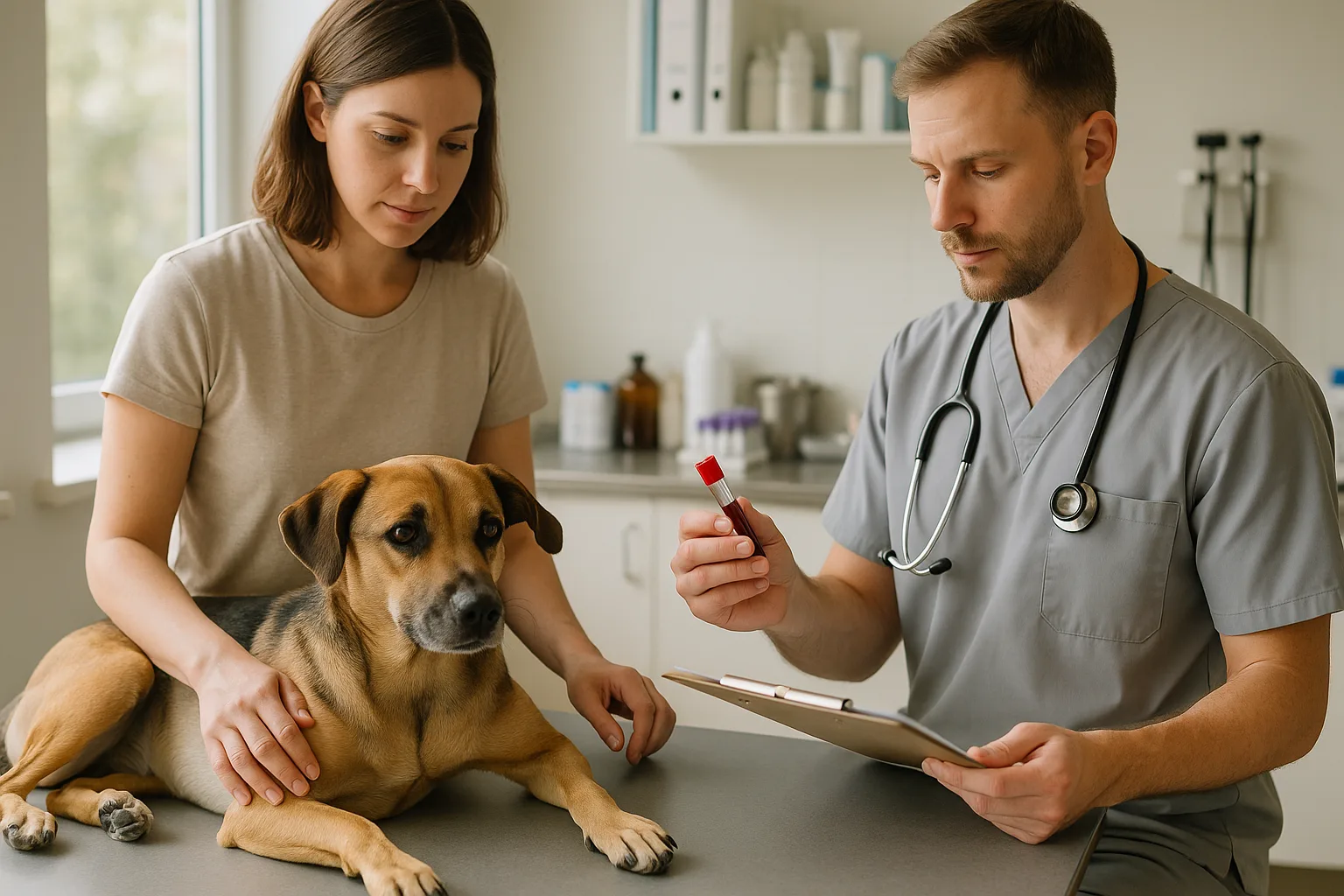
Senior dog bloodwork can catch problems before a dog looks sick. It gives a veterinarian a real picture of organ function, blood cell health, and a few common age-related changes that don’t show up on the outside.
If your dog is getting older, this is one of the simplest ways to stay ahead of trouble. At 1st Ave Animal Hospital, it’s often part of a bigger senior wellness check, not a stand-alone test.
What does senior dog bloodwork check?
Senior dog bloodwork is a set of lab tests that looks at how major organs and blood cells are working. A typical panel checks for clues about kidney disease, liver disease, dehydration, infection, anemia, inflammation, and sometimes diabetes or thyroid problems.
The exact tests can vary by clinic, but most panels include a complete blood count and a chemistry panel. Some dogs also need a urinalysis, blood pressure check, or thyroid test, depending on age and risk factors.
- Complete blood count (CBC): looks at red blood cells, white blood cells, and platelets.
- Chemistry panel: checks kidney values, liver enzymes, blood sugar, proteins, electrolytes, and more.
- Urinalysis: helps assess kidney function and urinary tract health.
- Thyroid test: may be recommended for dogs with weight gain, low energy, or skin changes.
Think of it as a snapshot, not a diagnosis. Abnormal results tell the veterinarian where to look next.
How often should an older dog get bloodwork?
Most senior dogs should have bloodwork at least once a year, and many benefit from testing every six months. More frequent checks make sense if a dog has a chronic condition, takes long-term medication, or has had changes in appetite, thirst, weight, or energy.
There isn’t one schedule that fits every dog. A healthy 8-year-old Labrador and a 14-year-old terrier with kidney disease will not need the same plan.
- Healthy senior dogs: usually every 12 months.
- Very old dogs or dogs with known illness: often every 6 months.
- Dogs on long-term medication: testing may be needed more often to monitor safety.
For a wider look at aging changes, see the hospital’s pet health resources for older pets.
Why do vets recommend bloodwork before symptoms start?
Senior dog bloodwork can pick up early changes before a dog starts acting obviously sick. That matters because kidney disease, liver issues, and some hormonal disorders often progress quietly at first. By the time a dog is drinking more, losing weight, or slowing down, the condition may already be well underway.
Early detection gives more choices. Sometimes the next step is a diet change, medication, closer monitoring, or a repeat test instead of waiting for a bigger problem.
Short version: bloodwork helps a veterinarian find the small stuff before it turns into the expensive, messy stuff.
What do common abnormal results mean?
Abnormal bloodwork does not always mean a serious disease. Some changes point to dehydration, a recent meal, stress, or a mild infection. Others can be the first hint of a long-term condition that needs more testing.
Here are a few common patterns veterinarians see in older dogs:
- High kidney values: may suggest kidney disease or dehydration.
- Elevated liver enzymes: can point to liver irritation, medication effects, or other internal disease.
- Low red blood cell count: may indicate anemia from chronic illness, blood loss, or another underlying issue.
- High blood sugar: can be a clue for diabetes, though stress can also affect results.
- Changes in white blood cells: may suggest infection, inflammation, or immune response.
One odd number by itself rarely tells the whole story. Vets usually combine lab work with the physical exam, history, and sometimes imaging such as radiology.
If imaging is needed, the hospital’s veterinary radiology services can help show what bloodwork cannot.
What happens during a senior wellness blood test?
The process is usually quick. A veterinary team member draws a small blood sample, often from a front or back leg, then sends it to an in-house or outside lab. Most dogs tolerate it well, and many do not need heavy restraint or sedation.
Some clinics recommend fasting before bloodwork, especially if a chemistry panel is being run. Others may tell you not to fast unless your veterinarian says so. Following the clinic’s instructions matters more than guessing.
- Check whether your dog should fast.
- Bring a current medication list.
- Tell the team about changes in thirst, urination, appetite, or weight.
- Ask when results will be ready and how you’ll receive them.
If your dog is due for a broader visit, you can review the hospital’s appointment booking page to schedule a senior wellness exam.
What other tests are often paired with senior bloodwork?
Senior dog bloodwork is helpful on its own, but it works best as part of a full senior screening. A veterinarian may add urine testing, blood pressure measurement, a dental exam, or parasite screening depending on the dog’s age and medical history.
That extra context can matter a lot. A dog with normal bloodwork but high blood pressure still needs attention, and a dog with subtle kidney changes may look fine until urine testing shows more.
- Urinalysis: helps detect kidney problems, infection, and diabetes clues.
- Blood pressure: can reveal hypertension, which is common in older pets.
- Oral exam: identifies painful dental disease that can affect eating and overall health.
- Weight check and body condition score: tracks muscle loss and hidden weight changes.
When should you call the vet sooner?
Older dogs should not wait for the next routine check if something is clearly off. Sudden drinking, frequent urination, weight loss, low energy, vomiting, coughing, appetite changes, or a wobbly walk can all be reasons to call sooner.
Bloodwork is useful, but it’s not a substitute for common sense. If your dog seems “not quite right,” trust that feeling and book the visit.
- Drinking more than usual
- Accidents in the house
- Panting at rest
- Weakness or collapse
- Noticeable weight loss
How can bloodwork help you make better decisions?
Senior dog bloodwork gives you a baseline. That baseline makes future changes easier to spot, which means the veterinarian can compare today’s numbers with last year’s and see what really changed.
It can also guide treatment choices. A dog with mild kidney changes may need a different diet, while a dog with normal lab work and poor appetite may need the team to look elsewhere.
For pet owners, that means fewer guesswork visits and more clear next steps. That’s the goal.
Frequently Asked Questions
Is senior dog bloodwork necessary if my dog seems healthy?
Yes, often it is. Many age-related problems start quietly, and bloodwork can show early changes before symptoms appear. A healthy-looking senior dog can still have kidney, liver, thyroid, or blood cell changes that are easier to manage when found early.
Does a dog need to fast before senior bloodwork?
Sometimes, but not always. Fasting is often recommended for certain chemistry panels, while other tests can be done without it. Follow the specific instructions from your veterinarian, because the answer depends on which tests are being run and what the clinic wants to measure.
Can bloodwork tell if my dog has cancer?
Bloodwork can raise suspicion, but it usually cannot confirm cancer on its own. Some cancers cause anemia, high calcium, or other abnormal patterns, yet diagnosis usually takes more testing such as imaging, needle samples, or biopsy.
What if my senior dog’s bloodwork is only slightly abnormal?
Slight changes are common and do not always mean disease. A veterinarian may repeat the test, compare it with past results, or pair it with urine testing and an exam. Small shifts are often most useful when tracked over time rather than judged from one result alone.
How can 1st Ave Animal Hospital help with senior pet care?
1st Ave Animal Hospital can help build a senior wellness plan around bloodwork, exam findings, and any symptoms you’ve noticed at home. If your older dog needs a checkup, a lab review, or follow-up testing, the team can help sort out the next step without guesswork.