Senior Pet Health Checklist: What Changes After 7?
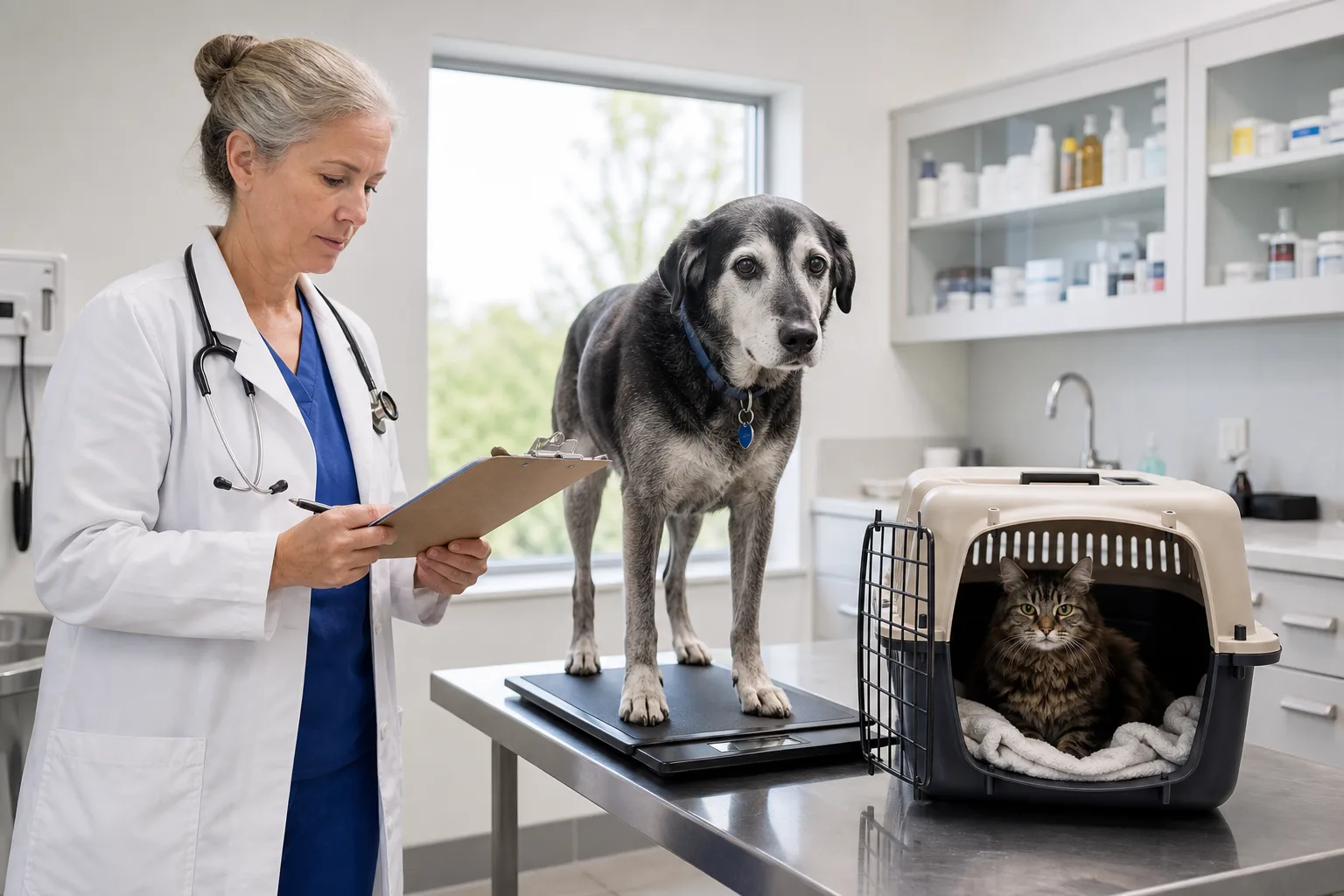
Aging pets often look fine long before their health starts to change. A clear senior pet health checklist helps dog and cat owners spot early warning signs, keep up with preventive care, and know when a veterinary visit should happen sooner rather than later.
This guide from 1st Ave Animal Hospital (Demo) focuses on the practical changes that matter most after the senior years begin, along with simple ways to track them at home.
When is a pet considered senior?
A pet is usually considered senior when age-related changes become more likely, but the exact age depends on species, breed, and body size. Smaller dogs may age more slowly than large-breed dogs, and cats often begin showing senior changes in the later middle years.
The label matters less than the pattern: once a pet crosses into the senior stage, subtle changes in movement, appetite, weight, and behavior deserve closer attention.
What should be on a senior pet health checklist?
A senior pet health checklist should track appetite, water intake, weight, activity, mobility, bathroom habits, dental health, behavior, and any new lumps, bumps, or breathing changes. These details help you notice gradual decline before it becomes obvious at home.
The goal is not to monitor everything every day. The goal is to notice what is different enough to matter and bring that information to your veterinary team.
Track these changes each week
- Appetite: Is your pet eating less, more slowly, or dropping food?
- Water intake: Is the water bowl emptying faster than usual?
- Weight: Does your pet feel thinner, heavier, or less muscular?
- Energy level: Is your pet still interested in walks, play, or jumping up?
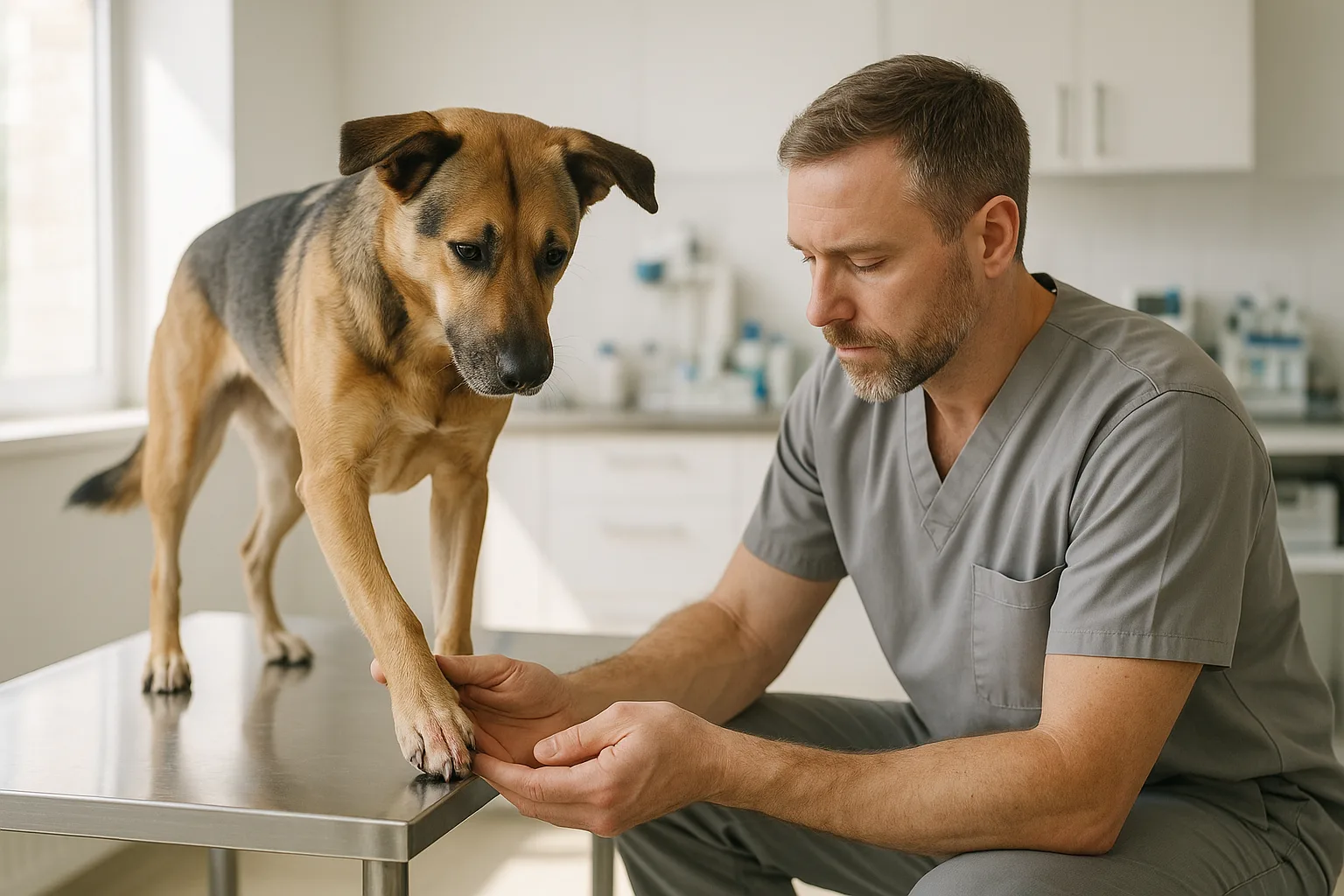
- Mobility: Is there stiffness after rest, limping, or trouble with stairs?
- Bathroom habits: Are urination, stool quality, or accidents changing?
- Coat and skin: Is the coat dull, greasy, flaky, or itchy?
- Behavior: Is your pet more withdrawn, restless, vocal, or confused?
Which signs are most common in aging dogs and cats?
The most common senior pet changes involve stiffness, dental disease, weight change, increased thirst, and slower recovery from stress or illness. Cats may also hide more, miss the litter box, or become vocal at night, while dogs often show reduced stamina or obvious joint discomfort.
These signs can be caused by normal aging, but they can also point to treatable problems such as arthritis, kidney disease, diabetes, thyroid disease, pain, or dental infection.
Common signs by category
| Category | What you may notice | Why it matters |
|---|---|---|
| Mobility | Stiffness, limping, slower stairs, reluctance to jump | May indicate arthritis or pain |
| Thirst and urination | Drinking more, larger urine clumps, accidents | Can signal kidney, hormone, or urinary disease |
| Appetite and weight | Picky eating, weight loss, or weight gain | May reflect dental pain, metabolic disease, or reduced activity |
| Behavior | Confusion, irritability, sleep changes, vocalizing | Can be linked to pain or cognitive changes |
| Breathing | More panting, coughing, or resting with effort | Needs prompt veterinary attention |
How often should senior pets see a veterinarian?
Most senior pets benefit from veterinary exams at least twice a year. More frequent visits may be needed if a pet has chronic disease, ongoing pain, dental issues, or a recent change in appetite, weight, or behavior.
Twice-yearly exams are useful because health problems can progress quickly in older pets. A pet that seems “stable” in January may show major changes by summer.
Why senior visits are different from routine checkups
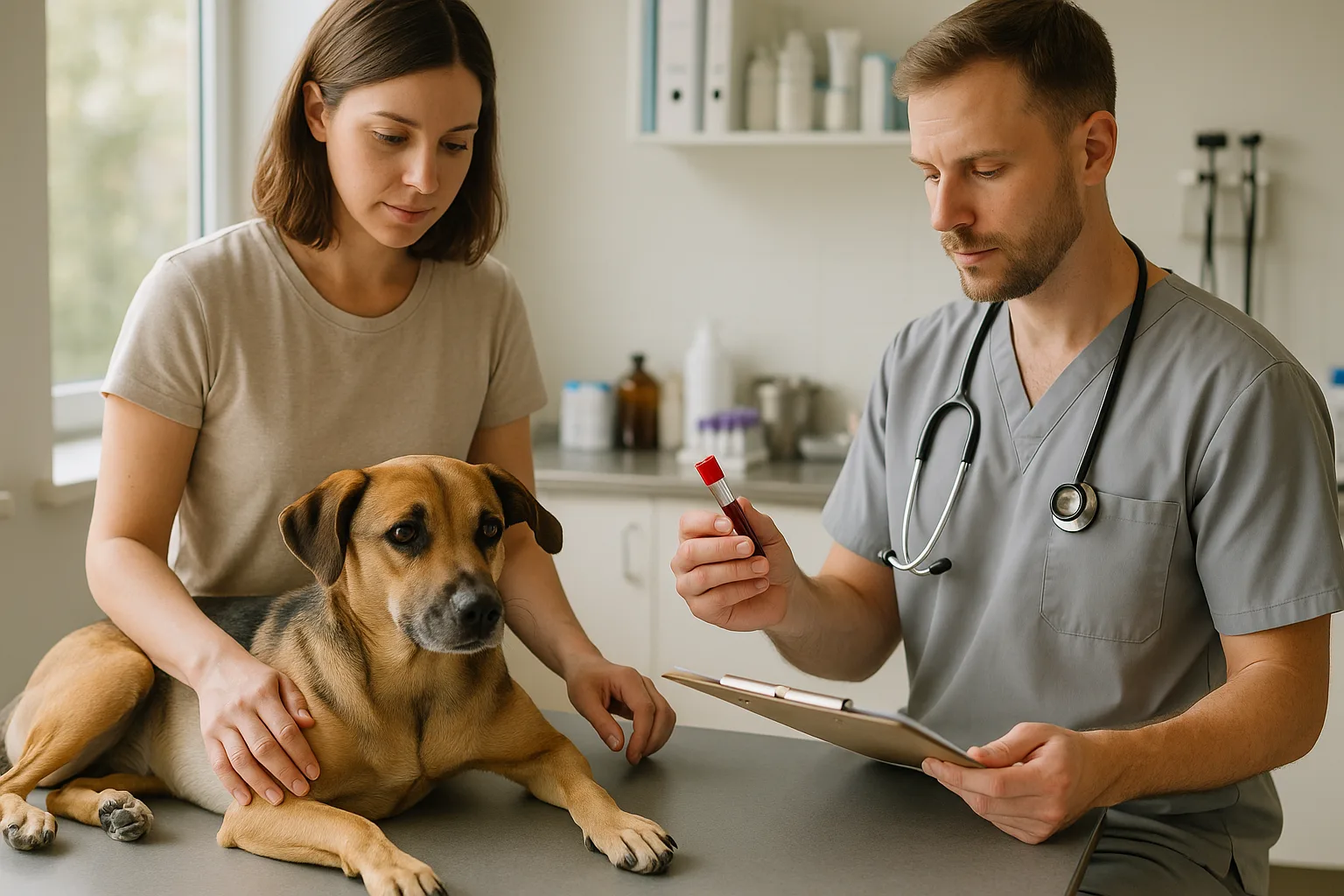
Senior exams often focus on early detection. That can include a hands-on physical exam, weight tracking, pain assessment, dental evaluation, and sometimes lab work or imaging when something seems off.
If your pet already receives care for a chronic condition, the exam may also be a chance to adjust treatment before signs worsen.
If your veterinarian recommends imaging, you can learn more about veterinary radiology services and how X-rays can help look deeper into joint, chest, or abdominal concerns.
What tests are often worth discussing for older pets?
Useful senior screening tests usually include bloodwork, urinalysis, and sometimes imaging or blood pressure checks. The exact plan depends on your pet’s age, breed, symptoms, and medical history.
These tests help identify hidden changes that are not obvious during a physical exam alone. For many older pets, early detection leads to simpler treatment and better comfort.
Tests commonly discussed with senior pets
- Complete physical exam: Checks weight, joints, teeth, heart, lungs, skin, eyes, and abdomen.
- Bloodwork: Helps assess organ function, hydration, and signs of inflammation or metabolic disease.
- Urinalysis: Useful for kidney, bladder, and diabetes screening.
- Dental evaluation: Looks for pain, infection, and broken or loose teeth.
- Imaging: May be recommended if there is coughing, vomiting, limping, or an unexplained mass.
What can you do at home between visits?
At-home observation is one of the best tools for senior pet care. Simple habits like weighing your pet, watching meal size, and noting mobility changes can reveal problems early enough to make treatment easier.
It helps to keep a short log in your phone or on paper. A few accurate notes are often more useful than trying to remember a vague pattern a month later.
A simple home monitoring routine
- Weigh your pet regularly, if possible, and note trends.
- Count how often your pet urinates and stools each day.
- Watch how easily your pet rises, climbs stairs, or jumps.
- Check the mouth for bad breath, drooling, or difficulty chewing.
- Notice any new hiding, pacing, whining, or nighttime waking.
Tip: If a change lasts more than a few days, is getting worse, or affects eating, drinking, breathing, or mobility, do not wait for the next routine appointment.
When should you call the vet sooner?
Call your veterinarian promptly if a senior pet stops eating, drinks dramatically more or less than usual, has repeated vomiting or diarrhea, breathes differently, collapses, seems painful, or suddenly acts disoriented. These are not normal aging changes.
Fast action matters most when a pet’s daily routine changes sharply. Older pets often have less reserve, so they can decompensate more quickly than younger animals.
Red flags that need prompt attention
- Labored breathing or open-mouth breathing in a cat
- Repeated vomiting, especially with weakness
- Blood in urine or stool
- Sudden limping or inability to bear weight
- Marked weakness, collapse, or severe lethargy
- Sudden confusion, staring, or pacing at night
- Refusing food for more than a day, especially in cats
How does senior care differ for dogs and cats?
Senior dogs and senior cats face some of the same problems, but they often show them differently. Dogs more often make stiffness and reduced stamina obvious, while cats may hide pain and show disease through appetite changes, litter box issues, or behavior shifts.
That difference is why the most useful checklist is species-aware. A dog that stops climbing stairs and a cat that starts urinating outside the box may both be asking for the same thing: a veterinary exam.
Dog versus cat comparison
| Issue | Dogs | Cats |
|---|---|---|
| Arthritis | Often seen as stiffness or reluctance to move | May appear as reduced jumping or grooming |
| Appetite changes | May become picky or slower to eat | May hide food loss until weight drops |
| Bathroom issues | Accidents may suggest disease or mobility trouble | Litter box avoidance can be a key warning sign |
| Behavior changes | Less interaction, irritability, slower activity | Night vocalizing, hiding, or confusion |
Frequently Asked Questions
How often should a senior pet have a checkup?
Most senior dogs and cats should be seen at least twice a year, even if they seem healthy. Older pets can develop changes gradually, and shorter intervals make it easier to catch pain, weight loss, dental disease, and organ issues before they become advanced.
Is slower movement just normal aging?
Slower movement is common, but it is not something to ignore. Stiffness, limping, trouble jumping, or hesitation on stairs often points to pain, especially arthritis, and pain is usually treatable once it is identified.
What is the most important thing to watch at home?
Appetite, water intake, weight, and mobility are the most useful daily clues. If one of those changes suddenly or steadily worsens over several days, it is worth calling the veterinary team rather than waiting for the next routine visit.
Do older pets need lab work even if they look fine?
Many senior pets benefit from baseline bloodwork and urinalysis even when they seem well. These tests can reveal early kidney, liver, thyroid, or urinary changes that are not obvious during a physical exam.
When should I book an appointment for my senior pet?
Book an appointment if you notice appetite loss, increased thirst, weight change, vomiting, diarrhea, bad breath, lameness, or behavior changes. If the change feels sudden, severe, or painful, schedule sooner rather than later through 1st Ave Animal Hospital (Demo) booking.