How to Prep Your Pet for a Dental Cleaning
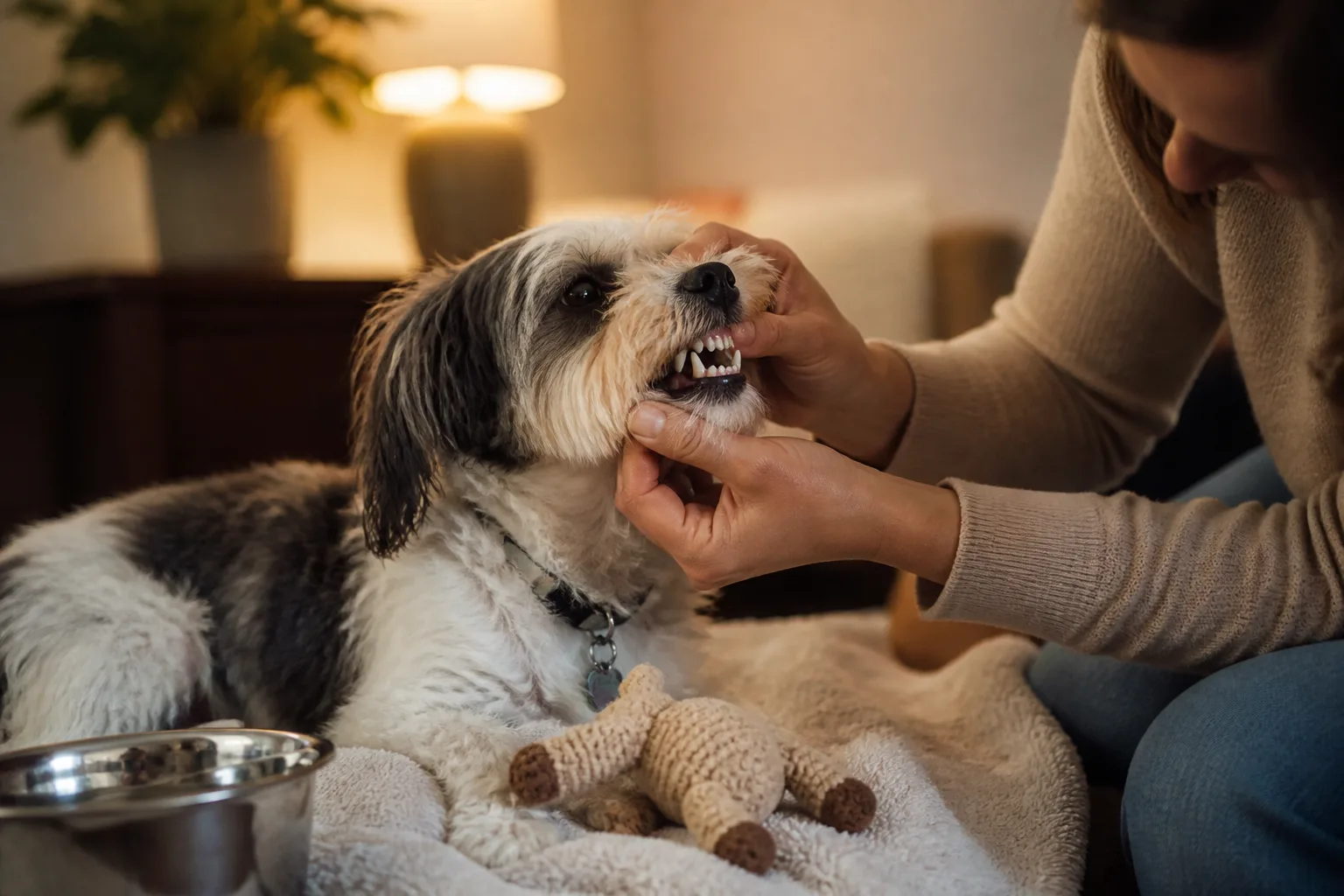
Preparing a pet for a dental cleaning is mostly about making anesthesia day safe, smooth, and low-stress. The right plan helps your dog or cat arrive with an empty stomach when needed, the correct medications, and a calmer recovery at home.
This guide walks through the most important steps before the appointment, plus the questions worth asking your veterinary team. If you want a local place to keep the process simple, 1st Ave Animal Hospital (Demo) can help you plan the visit and the aftercare.
What should you do before your pet’s dental cleaning?
Before a pet dental cleaning, the main goals are to follow fasting instructions, confirm medication timing, and arrange a safe ride home. A little preparation reduces anesthesia risk and prevents avoidable delays on the day of the procedure.
Most clinics give specific instructions based on your pet’s age, health, and dental plan. Those instructions matter more than general advice, especially if extractions, lab work, or other procedures are scheduled at the same time.
Quick pre-appointment checklist
- Follow the clinic’s fasting instructions exactly.
- Ask which regular medications should be given and which should be skipped.
- Bring any requested records, especially if your pet sees more than one veterinarian.
- Use a leash for dogs and a secure carrier for cats.
- Plan for a quiet rest day after the appointment.
Answer card: The best way to prep a pet for a dental cleaning is to follow the hospital’s fasting and medication instructions, then plan a calm trip home and a quiet recovery day. That combination does more for safety than any special diet or supplement.
Should your pet fast before anesthesia?
Many pets need to fast before a dental cleaning because anesthesia can affect swallowing and increase the risk of vomiting. The exact fasting window varies by clinic and by pet, so you should use the instructions your veterinarian gives you rather than guessing.
Water instructions may be different from food instructions. If the paperwork is unclear, call the hospital before the appointment instead of making assumptions the morning of the procedure.
What to confirm before the appointment
- When to stop food
- Whether water is allowed overnight or the morning of the visit
- Whether treats, dental chews, or flavored medications are allowed
- Whether puppies, kittens, or pets with diabetes have special instructions
If your pet has a medical condition such as diabetes, a history of vomiting, or a very small body size, fasting instructions may be adjusted. That is one reason pre-op planning is worth the phone call.
Which medications should you give or skip?
Medication instructions before a dental cleaning depend on your pet’s health history and the planned procedure. Some medicines are continued, some are delayed until after the appointment, and some are given at a specific time with a small bite of food if the veterinarian approves it.
Never change prescription use on your own. The wrong timing can affect blood pressure, blood sugar, pain control, or the safety of anesthesia itself.
Bring this information to the clinic
- A current medication list with doses
- Any supplements or over-the-counter products
- Notes about previous anesthesia reactions
- Any history of seizures, heart disease, kidney disease, or liver disease
If your pet takes more than one medication, it helps to write the schedule down in plain language. Something as simple as “morning only,” “with food,” or “hold until after discharge” can prevent mistakes.
How do you get your pet ready for the morning of the procedure?
The morning of a dental cleaning should be calm, organized, and uneventful. A relaxed routine lowers stress for both you and your pet and makes check-in easier for the veterinary team.
For dogs, a short leash walk before leaving home is often enough. For cats, a lined carrier placed in a quiet room the night before can make transport much less chaotic.
What to pack
- Any required paperwork or consent forms
- A full medication list
- Your veterinary contact information
- A carrier, leash, harness, or blanket for transport
- Payment details or insurance information, if needed
Do not send toys, loose treats, or anything your pet could chew unsupervised during travel. If your pet is anxious in the car, keep the trip simple and direct.
What should you ask before your pet’s dental cleaning?
Good questions before a dental procedure help you understand the anesthetic plan, the oral exam, and what might happen if the veterinarian finds tooth disease. Clear answers also make it easier to recognize what is routine and what is not when your pet comes home.
A pre-op conversation is especially useful for pets with bad breath, loose teeth, red gums, or prior dental work. Those details can affect how long the appointment takes and whether extractions may be needed.
Questions worth asking
- Will my pet have pre-anesthetic blood work?
- Will dental radiographs be taken?
- What pain control will be used?
- What should I expect if a tooth needs to be removed?
- When should my pet eat after coming home?
These are practical questions, not “extra” questions. They help you leave the hospital with a clear plan instead of a vague aftercare handout.
How should you prepare your home for recovery?
A pet recovering from a dental cleaning usually needs warmth, quiet, and easy access to water and food. Setting up the recovery space in advance prevents jumping, rough play, and unnecessary stress once anesthesia wears off.
Soft food, a clean resting area, and a low-activity plan are often enough for routine cases. If extractions were performed, your veterinarian may give more specific instructions about food texture and activity limits.
Simple home setup for the first day
- Create a quiet room away from children and active pets.
- Place bedding on a low, easy-to-reach surface.
- Use soft or moistened food if approved.
- Keep fresh water available.
- Remove hard chews, bones, and toys that encourage vigorous chewing.
Recovery is usually smoother when the pet does not need to climb stairs, jump on furniture, or navigate a busy household. A little environmental control goes a long way.
How is dental cleaning prep different for cats and dogs?
Cats usually benefit from more careful transport planning, while dogs more often need help with leash control and post-procedure activity. Both species need fasting guidance, medication clarity, and a calm environment, but the day-of logistics are not quite the same.
Dogs may tolerate a crate or passenger-seat ride better, while cats often do best in a secure carrier with a familiar blanket. The goal is the same in both cases: reduce stress before anesthesia and keep the return home safe.
| Preparation step | Dogs | Cats |
|---|---|---|
| Transport | Leash and controlled car ride | Secure carrier with bedding |
| Pre-visit activity | Short walk only | Quiet indoor morning |
| Home recovery | No rough play or hard chewing | Safe room, low noise, limited jumping |
| Food after visit | Soft food if instructed | Small meals if instructed |
When should you call the veterinary hospital before the visit?
You should call before the appointment if your pet vomited, ate after the fasting cutoff, seems sick, or took a medication you were told to hold. The clinic may want to reschedule, adjust the anesthetic plan, or give updated instructions.
It is also smart to call if your pet has developed coughing, diarrhea, marked lethargy, or a new medical issue since the dental was scheduled. Small changes in health can matter when anesthesia is involved.
Answer card: Call the veterinary hospital before a dental cleaning if your pet ate during the fasting window, started vomiting, or developed a new illness. Those details may change the safest anesthesia plan.
What is the biggest mistake owners make before a dental cleaning?
The biggest mistake is treating dental cleaning like a routine drop-off with no special preparation. Anesthesia, fasting, medication timing, and recovery planning are all part of the procedure, not separate details.
Owners also sometimes assume human advice applies to pets, but that is risky. The safest plan always comes from your veterinarian, not from internet memory or a friend’s experience.
What does a well-prepared dental day look like?
A well-prepared dental day is calm, organized, and predictable. Food is handled correctly, medications are confirmed, transport is secure, and the home setup is ready before the pet leaves for the hospital.
That kind of preparation helps the veterinary team focus on the dental care itself and helps your pet move into recovery with less stress. If you are scheduling care, the team at 1st Ave Animal Hospital (Demo) can walk you through the steps and answer pre-op questions.
Frequently Asked Questions
Can my pet drink water before a dental cleaning?
Water instructions vary by clinic and by patient. Some pets may have water available until a certain time, while others need a stricter fasting plan. Always follow the exact directions from your veterinary hospital, because the safest timing depends on the anesthesia protocol and your pet’s health status.
Should I brush my pet’s teeth right before the appointment?
Brushing right before the procedure is usually not necessary unless your veterinarian specifically asks for it. The more important step is showing up with a fasted pet, the correct medication plan, and any requested paperwork. If your pet resists brushing, do not turn the morning into a fight.
Can my pet go for a walk or play before the dental cleaning?
Light activity is usually fine, but strenuous exercise is not a good idea right before anesthesia. Keep the morning calm, especially for dogs that get excited or pant heavily. A short leash walk for potty breaks is usually enough unless your veterinarian gives different instructions.
What if my pet accidentally ate food before the appointment?
Call the veterinary hospital right away and tell them exactly what happened and when. The clinic may still proceed, may change the anesthetic plan, or may reschedule for safety. Do not hide the mistake; it is much safer for the team to know before sedation starts.
Do older pets need special preparation for dental cleaning?
Older pets may need more pre-anesthetic screening, but many senior dogs and cats still do well with dental care when properly evaluated. The preparation steps are similar, but the veterinarian may pay closer attention to blood work, heart health, and medication timing. Senior pets benefit most from clear communication before the visit.