
Is Your Cat Urinating Outside the Litter Box? What It Means
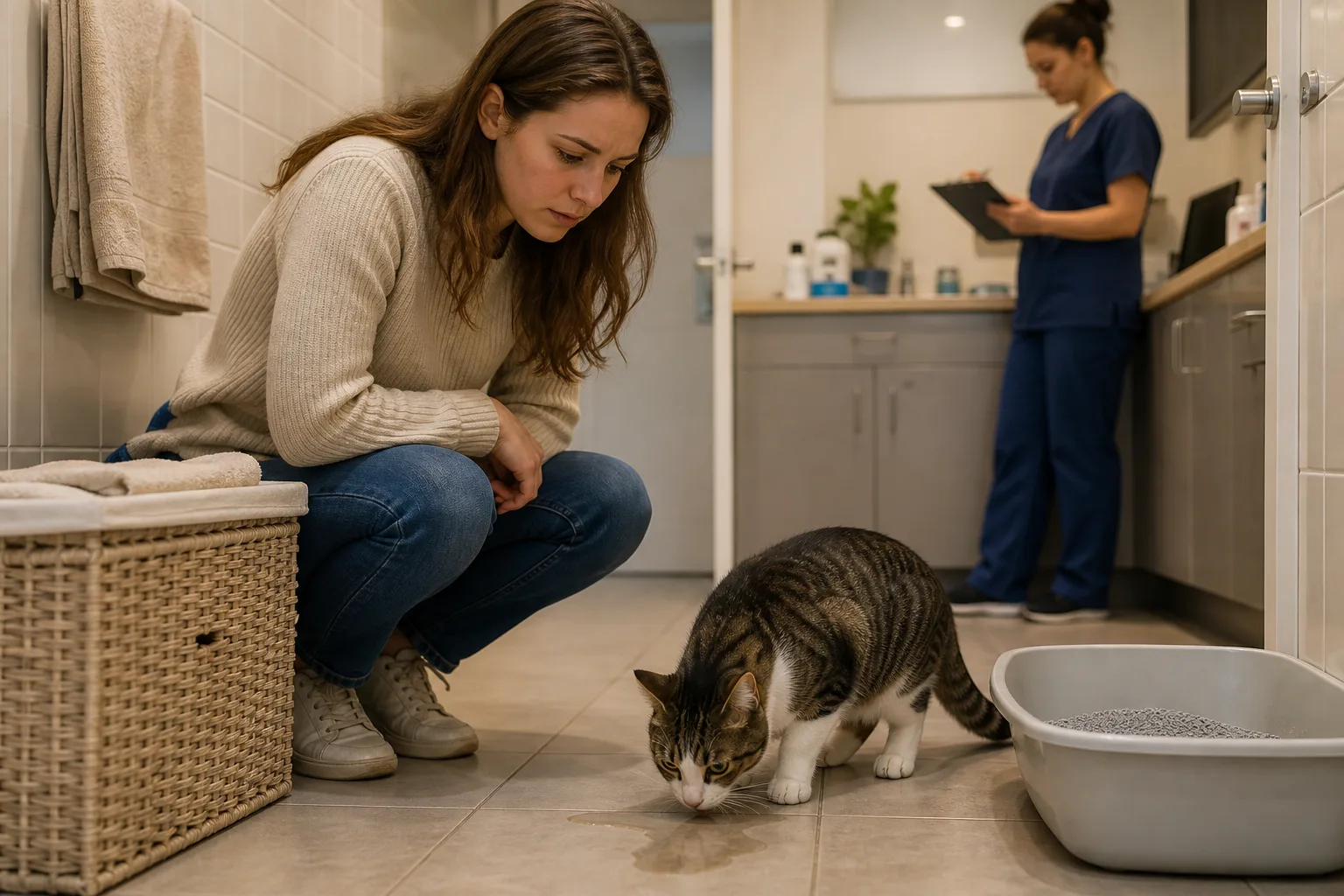
When a cat starts urinating outside the litter box, the cause is not always “bad behavior.” Sometimes it’s a medical problem, and sometimes it’s the box itself, the location, or stress in the house. The tricky part is sorting out which is which before the issue gets worse.
This guide walks through the most common reasons cats miss the box, what you can check at home, and the signs that should send you to 1st Ave Animal Hospital without waiting.
Why is my cat urinating outside the litter box?
Cat urinating outside the litter box often points to either a urinary tract problem, a litter box problem, or stress. A cat may be unable to hold urine, may associate the box with pain, or may avoid it because something about the setup feels wrong. The first job is to rule out illness, especially if the change happened suddenly.
- Medical causes: urinary tract infection, bladder inflammation, bladder stones, kidney disease, diabetes, or pain that makes climbing into the box hard.
- Box-related causes: a dirty box, too few boxes, a covered box that feels cramped, or litter with a scent or texture the cat hates.
- Stress-related causes: a new pet, moving homes, noisy construction, changes in routine, or conflict with another cat.
If the cat is squatting often, passing only small amounts, or seems uncomfortable, assume there may be a medical issue first. That’s especially true for male cats, where urinary blockage can turn into an emergency fast.
How can I tell if my cat has a urinary problem?
Frequent trips to the box, crying while peeing, blood in the urine, and urinating in small amounts are common warning signs of a urinary problem. Cats are sneaky about pain, so the clues are often subtle. A cat that starts licking the genital area more than usual or hides after using the box may also be telling you something is wrong.
Watch for these patterns:
- Squatting with little or no urine coming out
- Urine outside the box, especially on cool surfaces like tile, tubs, or laundry
- Straining, meowing, or leaving the box quickly
- Strong-smelling urine or visible blood
- Drinking more than usual
One important distinction: a cat that pees outside the box is different from a cat that sprays. Spraying is usually a standing posture with a tail quiver and a small amount of urine on vertical surfaces. Peeing outside the box usually means the cat is voiding normally, just in the wrong place.
What litter box problems make cats avoid the box?
Many cats miss the box because the box setup is inconvenient, dirty, or stressful. Cats are picky about bathroom conditions. A box that seems fine to a person may feel awful to a cat, especially if it’s crowded, scented, or tucked into a noisy corner.
Common litter box mistakes
- Not enough boxes in a multi-cat home
- A box that isn’t scooped often enough
- Fragranced litter that smells harsh to a cat’s nose
- A box with a high entry lip for an older cat or one with arthritis
- Putting all boxes in the same area instead of giving the cat choices
A simple rule often helps: one box per cat, plus one extra. Keep them in different places if possible. If the cat has started missing the box after a household change, don’t brush that off as spite. Cats don’t usually act out that way. They react.
Could stress cause a cat to urinate outside the litter box?
Stress can absolutely cause a cat to urinate outside the litter box, especially when the cat is healthy but unsettled. Cats like routine. When the home changes, their bladder habits can change too. Stress may also trigger bladder inflammation, which can make a cat associate the box with discomfort.
Triggers can be obvious or small:
- A new baby, roommate, or pet
- Moving furniture or moving homes
- Outdoor cats seen through windows
- Noise, visitors, or renovations
- Cat-to-cat tension around food, beds, or litter boxes
If the timing lines up with a big change at home, stress may be part of the picture. Still, a medical exam is smart before assuming it’s only anxiety. Pain and stress often travel together in cats.
What should I do at home first?
Start by cleaning the accident thoroughly, checking the litter box setup, and watching for signs of illness. Use an enzymatic cleaner on the soiled area so the smell doesn’t invite a repeat performance. Then make the box easier to use and easier to trust.
- Scoop daily. More than once a day is even better in a multi-cat home.
- Add or move a box. Give the cat options in quieter spots.
- Try a simple litter. Unscented, clumping litter is often the easiest starting point.
- Keep food away from the box. Cats dislike eating near where they eliminate.
- Track the pattern. Note how often the cat urinates, where accidents happen, and whether anything changed at home.
If the cat seems otherwise normal and the problem is mild, these changes may help. If the behavior is new, repeated, or paired with pain, don’t wait it out. Urinary issues in cats can move quickly.
When should I call the vet?
Call the vet promptly if a cat is straining to urinate, producing little or no urine, or acting painful. Those signs can point to a serious urinary obstruction or another problem that needs same-day care. A cat that cannot pass urine is an emergency.
Make an appointment soon if the cat is otherwise stable but keeps urinating outside the box, especially if the problem lasts more than a day or two. A veterinary exam may include a urine check, abdominal exam, and possibly imaging. 1st Ave Animal Hospital can help sort out whether the issue is medical, environmental, or both, and the clinic’s internal medicine services for cats with urinary issues are a good place to start when the cause is unclear.
Emergency note: If a cat, especially a male cat, is repeatedly trying to urinate and almost nothing is coming out, treat it as urgent. Don’t wait for “one more day.”
How do vets diagnose the cause?
Veterinarians usually start with a physical exam and urine testing, then add imaging or bloodwork if needed. That workup helps separate infection, inflammation, crystals, stones, kidney disease, diabetes, and stress-related bladder problems. The exact tests depend on the cat’s age, sex, symptoms, and history.
Common steps include:
- Urinalysis: checks for blood, crystals, bacteria, and concentration
- Urine culture: looks for bacterial infection when one is suspected
- Bloodwork: evaluates kidney function, glucose, and overall health
- Radiographs or ultrasound: helpful for stones, bladder changes, or other structural problems
Good diagnostics save time. They also keep a cat from being treated for the wrong problem, which happens more often than people think.
Can this be prevented?
Many litter box problems can be reduced by keeping the box clean, low-stress, and easy to reach. Prevention is partly medical and partly practical. A cat with a known urinary history may need more careful monitoring, while a healthy cat may just need a better setup.
- Keep litter boxes clean and accessible
- Use unscented litter when possible
- Give older cats low-entry boxes
- Provide fresh water and steady routines
- Address cat-to-cat conflict early
Some cats are chronically sensitive, and flare-ups happen even in good homes. That doesn’t mean you failed. It means the cat needs a plan that fits the way cats actually live.
Frequently Asked Questions
Is cat urinating outside the litter box always a medical problem?
No. A dirty box, a bad location, or tension with another pet can cause it. Still, sudden changes in urination should be treated as medical until a veterinarian says otherwise, because bladder pain and urinary blockage can look a lot like simple house-soiling.
What’s the difference between spraying and peeing outside the box?
Spraying usually happens on vertical surfaces with the cat standing and tail quivering. Peeing outside the box usually means the cat squats and passes a larger amount of urine. That difference helps narrow the cause, but both patterns deserve attention if they’re new.
How many litter boxes should I have?
A good starting point is one litter box per cat, plus one extra. Spread them out if you can. Cats often avoid boxes that feel crowded, hidden, or shared with a cat they don’t get along with.
Can stress really make a cat pee outside the box?
Yes. Stress can change bladder habits and can also trigger bladder inflammation. Home changes, new pets, noisy repairs, and cat conflict are common triggers. If the timing fits, stress may be part of the problem, but a vet check is still the right first step.
When is cat urinating outside the litter box an emergency?
It’s an emergency if the cat is straining, vocalizing, or producing little or no urine. Male cats are especially at risk for blockage. If urine output drops off, don’t wait for the next day; get help right away.